Marrakesh or Marrakech? Chaos, Culture, and Survival in Morocco’s Wildest City
I arrived in Marrakesh — or Marrakech, depending on who you ask and how French the sign feels — the way you’re supposed to: slightly dehydrated, mildly confused, and already questioning whether I’d accidentally wandered into the middle of a live-action video game set on expert mode.
The first thing that hits you isn’t the heat, or the smell of spice and diesel, or even the colour — it’s the noise. Marrakesh doesn’t whisper hello. Marrakech shouts it through a megaphone while revving a scooter and narrowly missing your kneecap.
Traffic as a Contact Sport
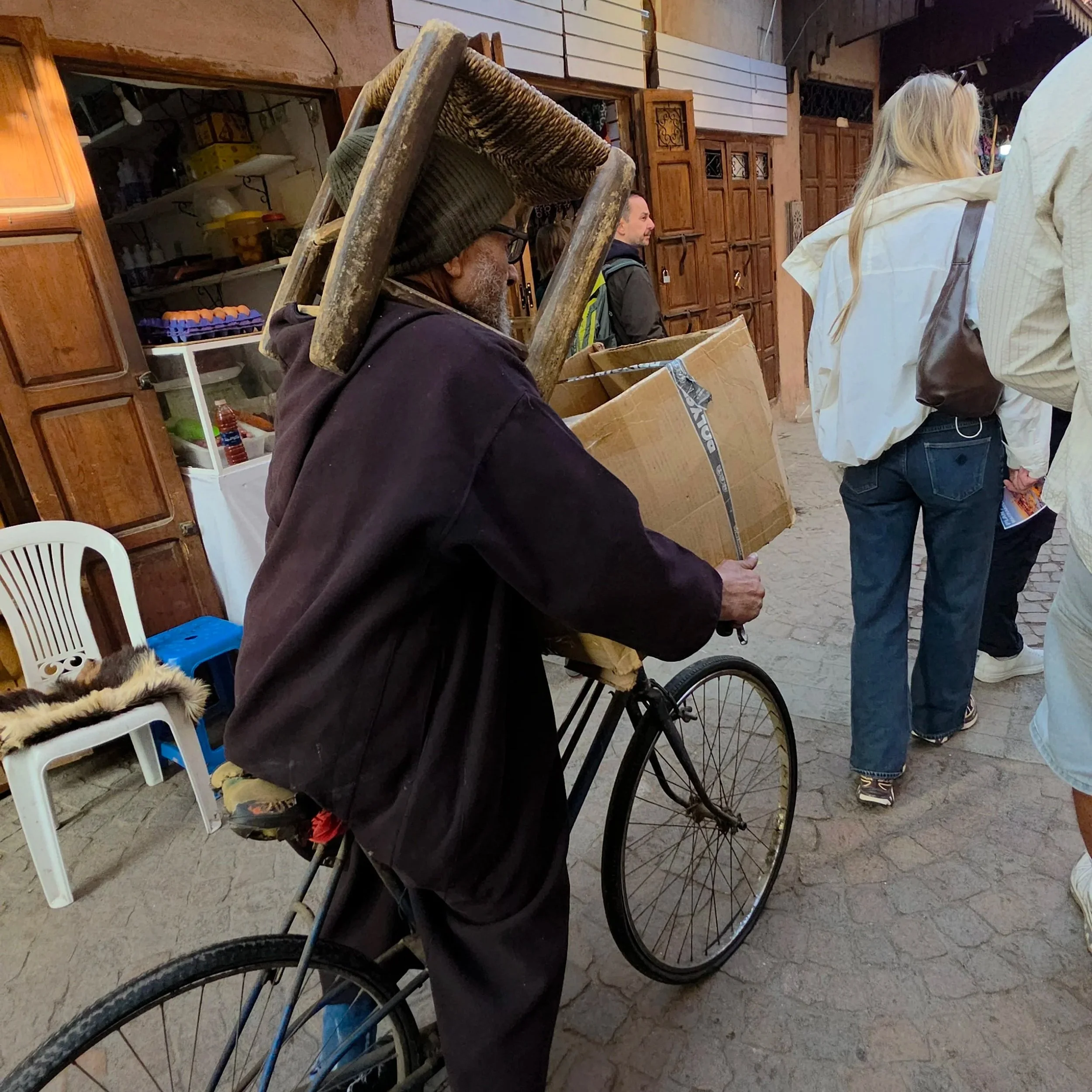
Watch Out
Scooters and Bicycles transport people and goods through the Medina
The traffic in Marrakesh/Marrakech is less a system and more a philosophical experiment. Cars, scooters, bicycles, donkey carts, pedestrians and the occasional cat all occupy the same three feet of road, apparently governed by instinct, eye contact and faith. Scooters appear from nowhere, pass you on both sides, and vanish into the crowd like metallic mosquitoes.
How there aren’t constant crashes is one of life’s great mysteries. There are no rules — just a collective understanding that hesitation equals death. Tourists wobble through it like newly born deer, while locals glide past with absolute confidence. You don’t cross the road in Marrakech; you commit to it.
Scooters: The City’s True Rulers
Scooters are everywhere in Marrakesh. They hum, they beep, they materialise behind you the moment you relax. Entire families ride them — father driving, mother behind, child wedged in the middle — all without helmets and with expressions of complete calm.
Every time I stepped into an alley in Marrakech, I was convinced this was finally the moment I’d be gently clipped by a Vespa and wake up speaking fluent Arabic. Somehow, miraculously, it never happened.
Food: Divine, Dangerous, and Deeply Confusing
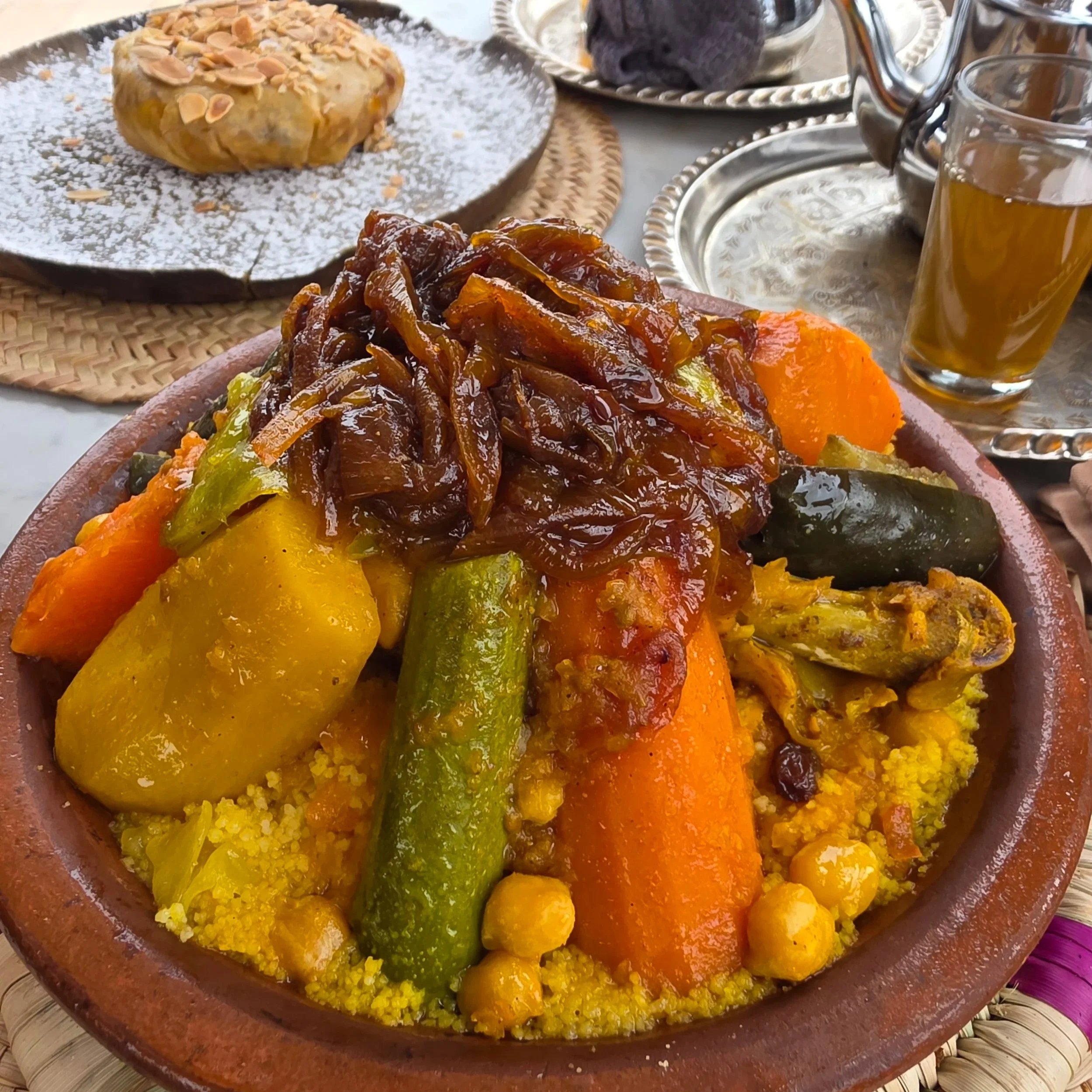
Amazing Food
From freshly squeezed juices to Tagines full of flavour. Its hard to go hungry and all at a great price.
The food in Marrakesh is outrageously good. Tagines bubbling with spice, bread still warm, couscous that could bring about religious conversion. You can eat like royalty for pennies — or pay triple the price for the same dish if you sit down 20 metres closer to a tourist hotspot.
Marrakech teaches you quickly: location is everything. One street over can be the difference between a life-changing meal and feeling personally mugged by a menu.
Alcohol exists, but it’s shy. You won’t stumble across it by accident in Marrakesh. When you do find it in Marrakech, it’s hidden away like contraband, priced accordingly, and treated with the discretion of a backroom deal. This city isn’t interested in your pub crawl — and honestly, it doesn’t need one.
The Souks: Beautiful Madness
The souks of Marrakesh are where the city fully reveals itself — a sensory overload that feels like being dropped into a kaleidoscope mid-explosion. Colour, sound, shouting, laughter, spices, leather, metal, smoke, music, chaos.
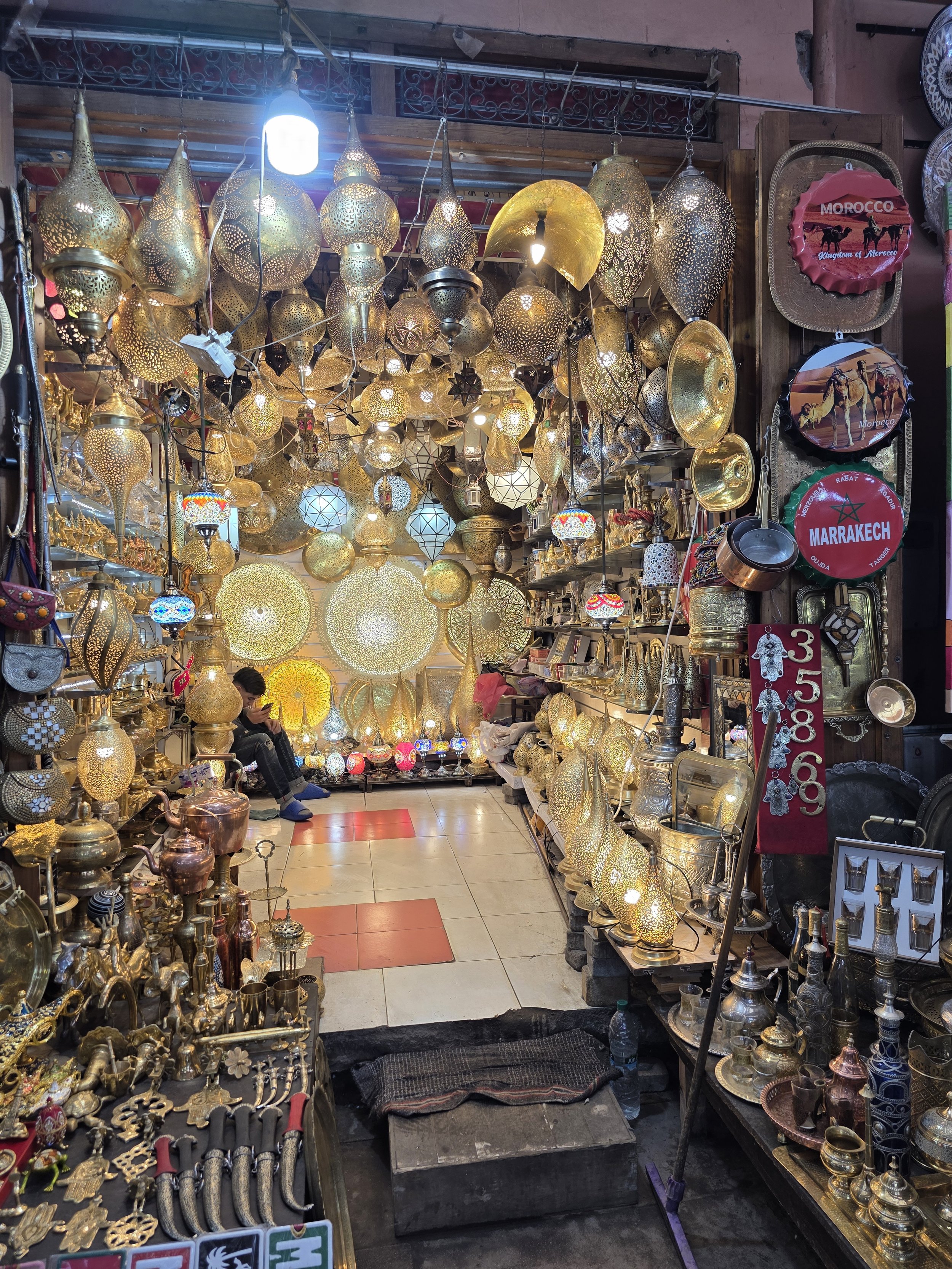
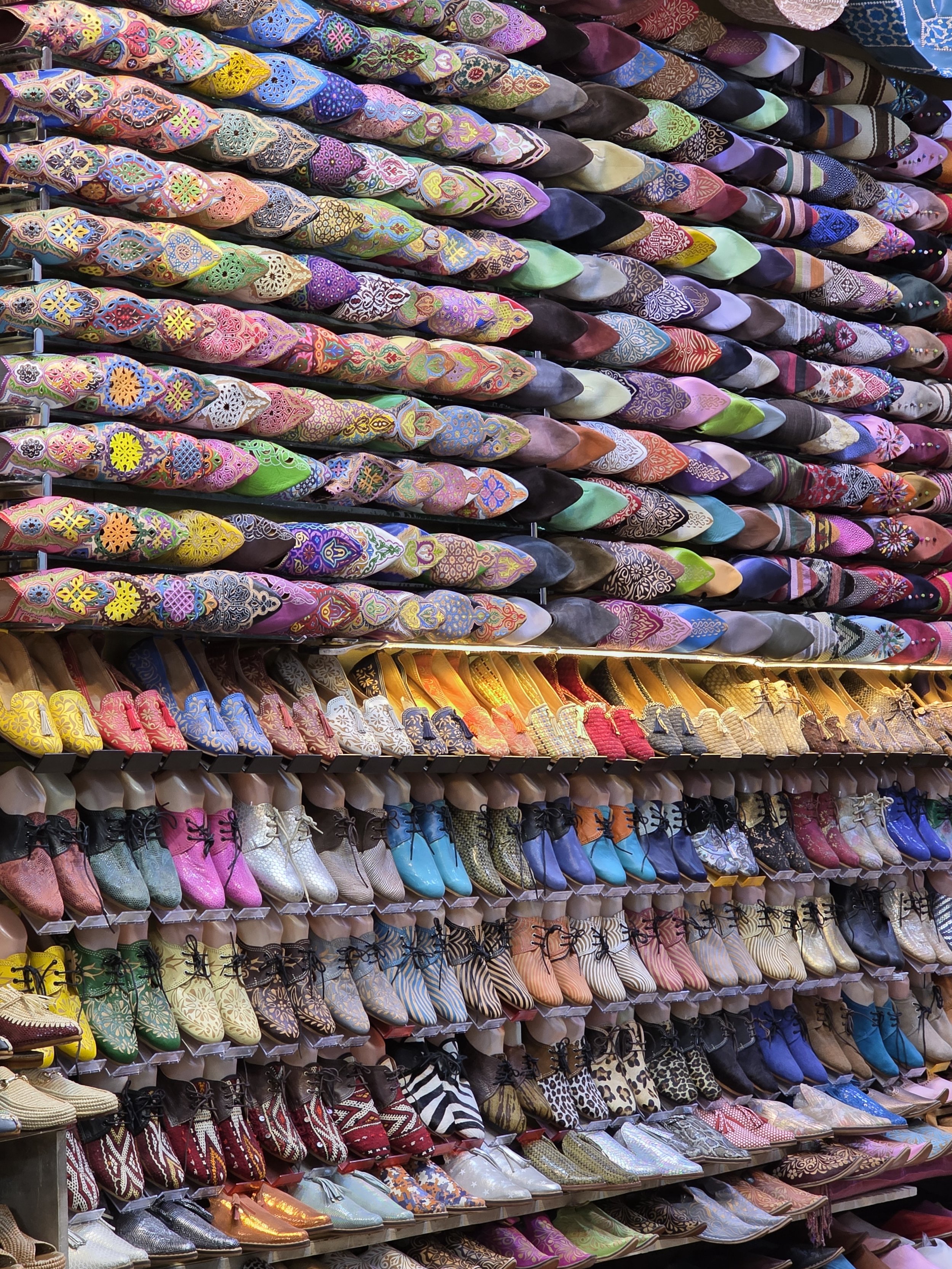
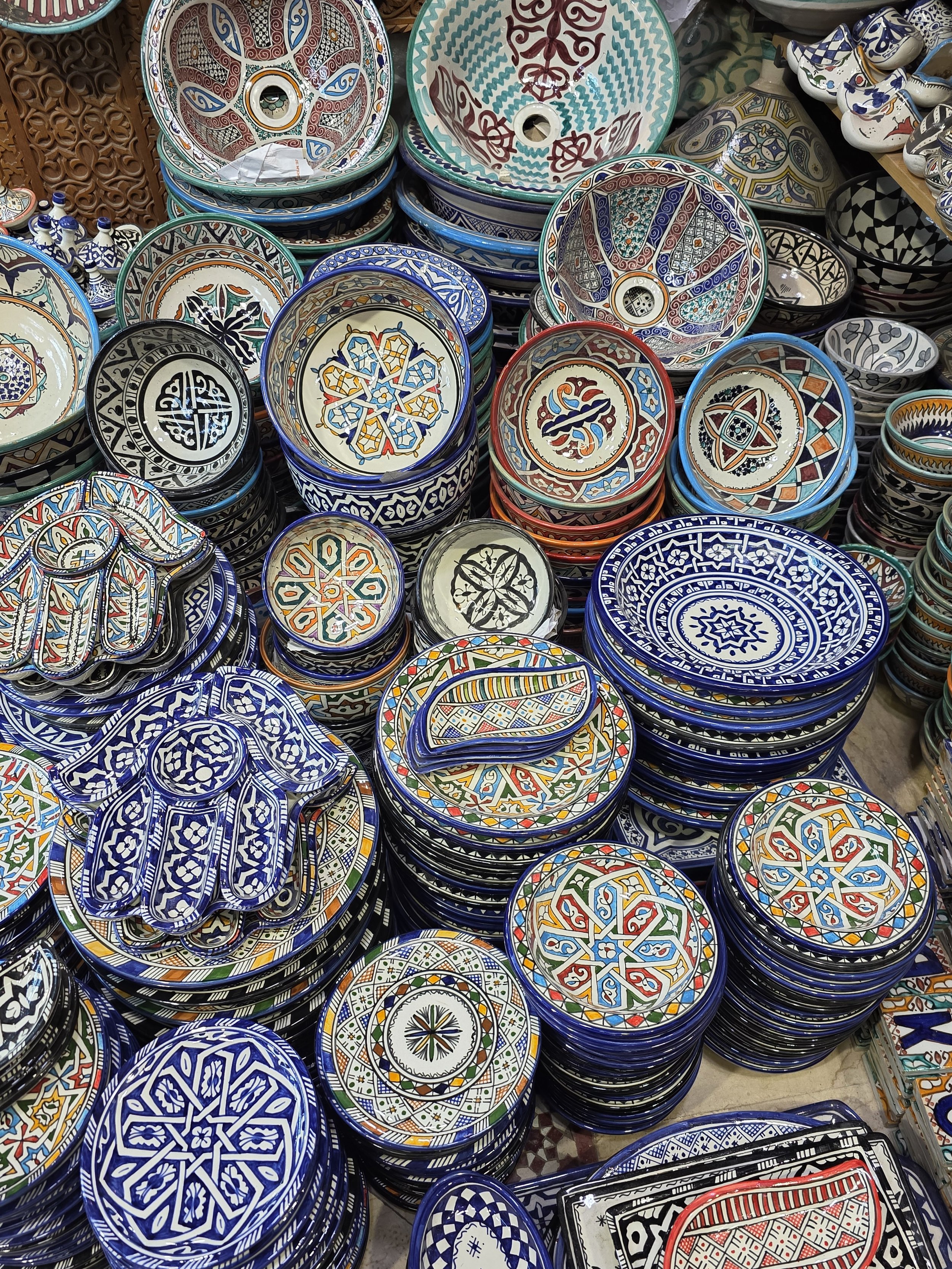
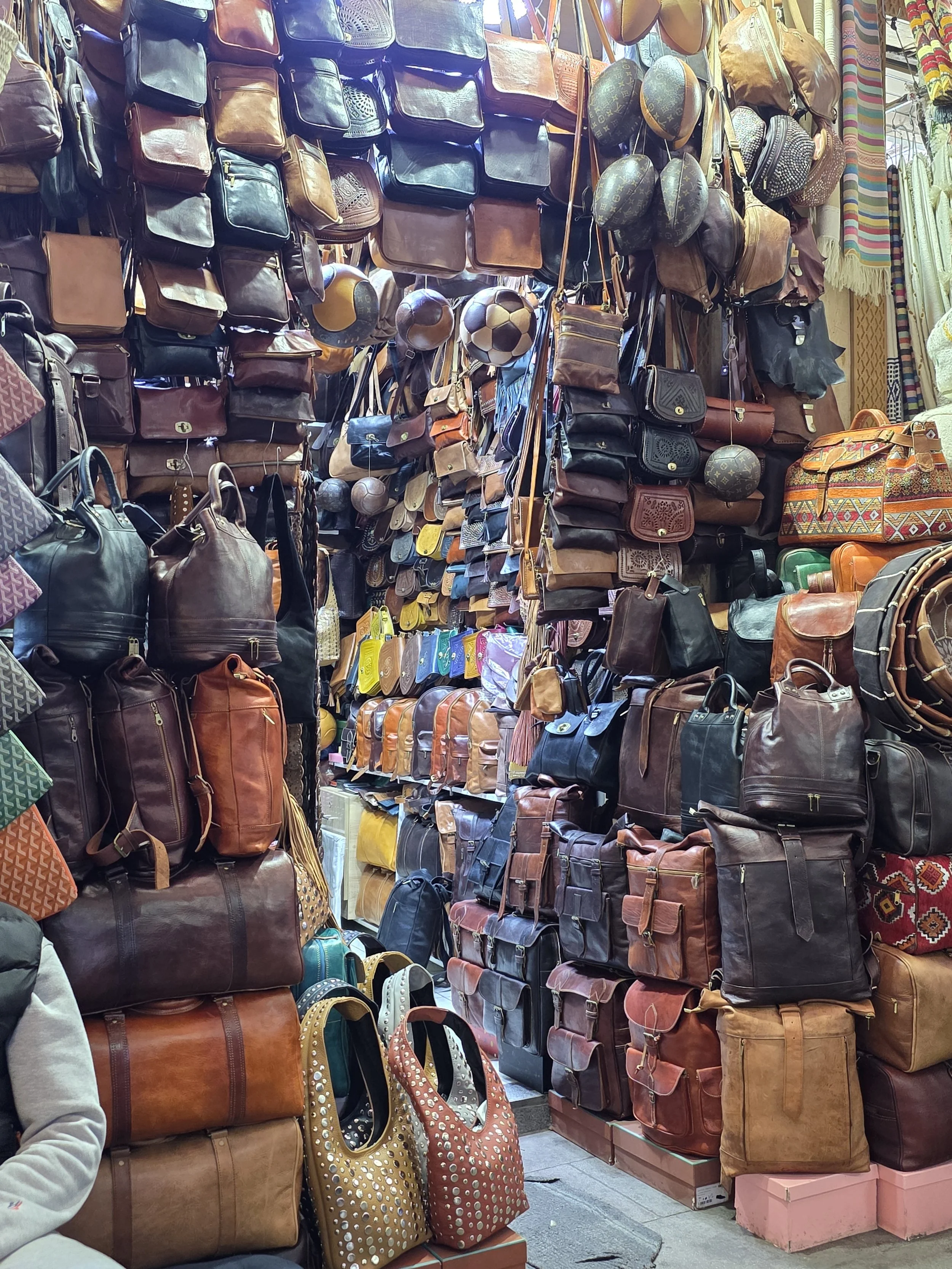
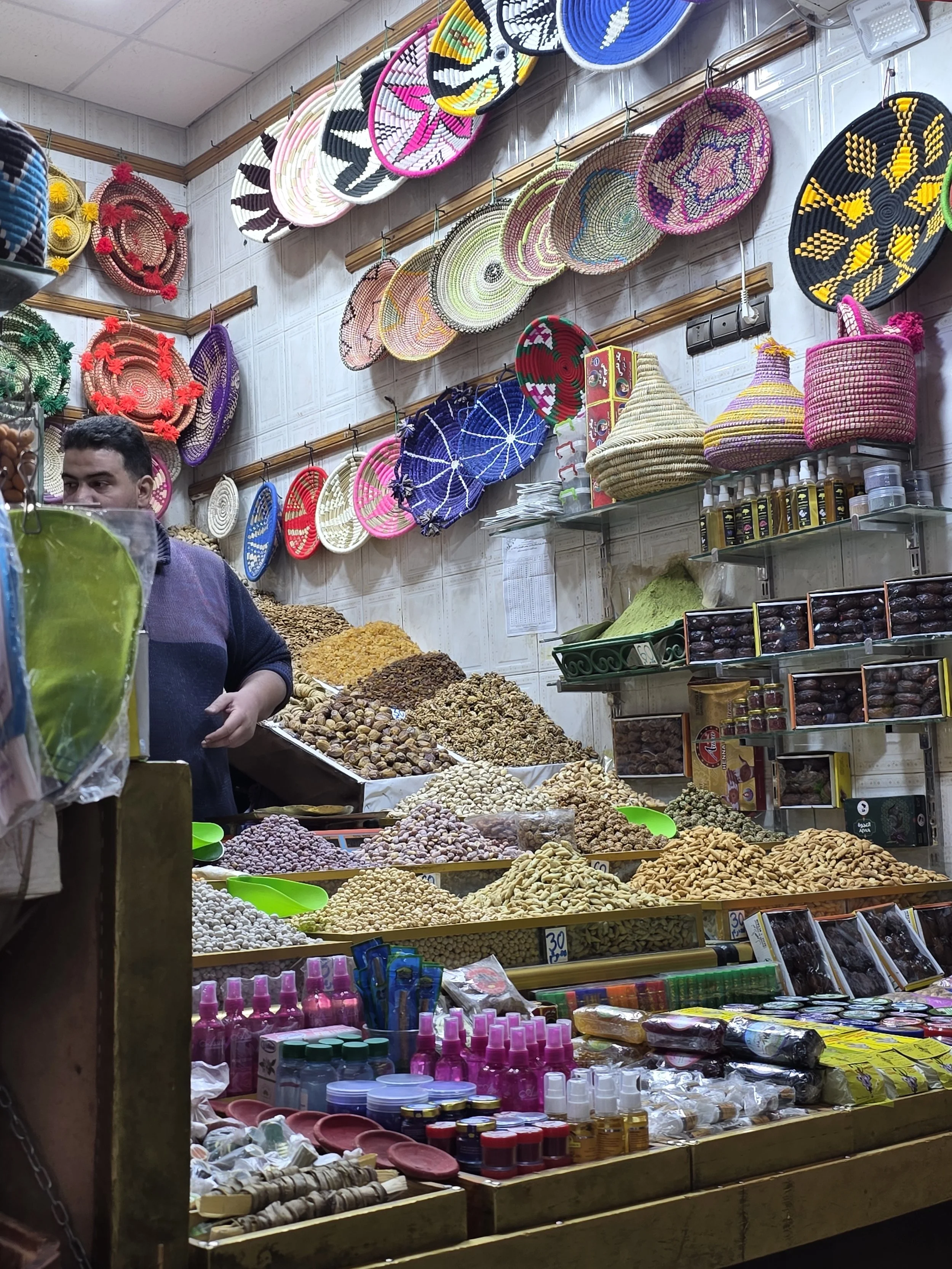
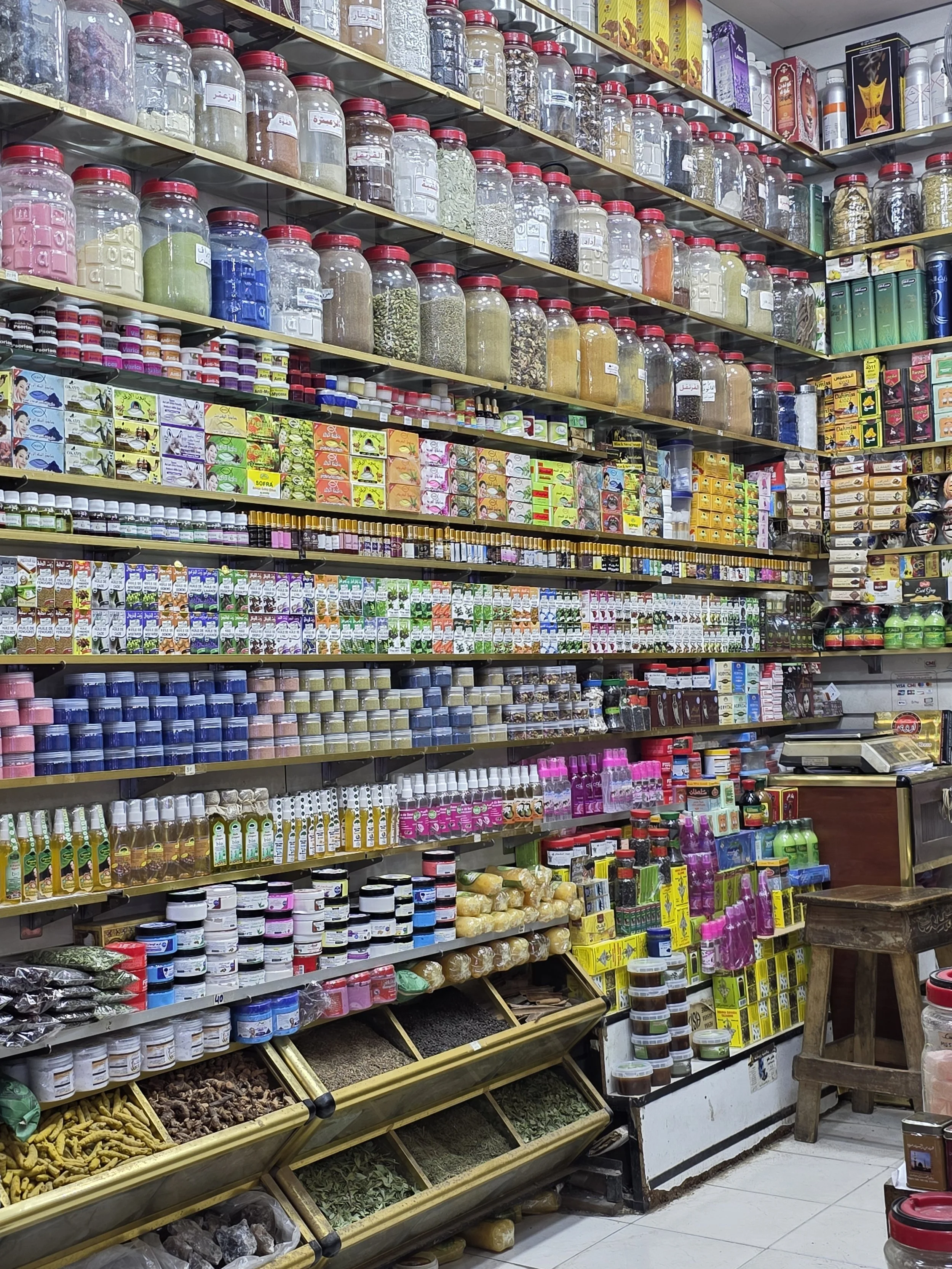
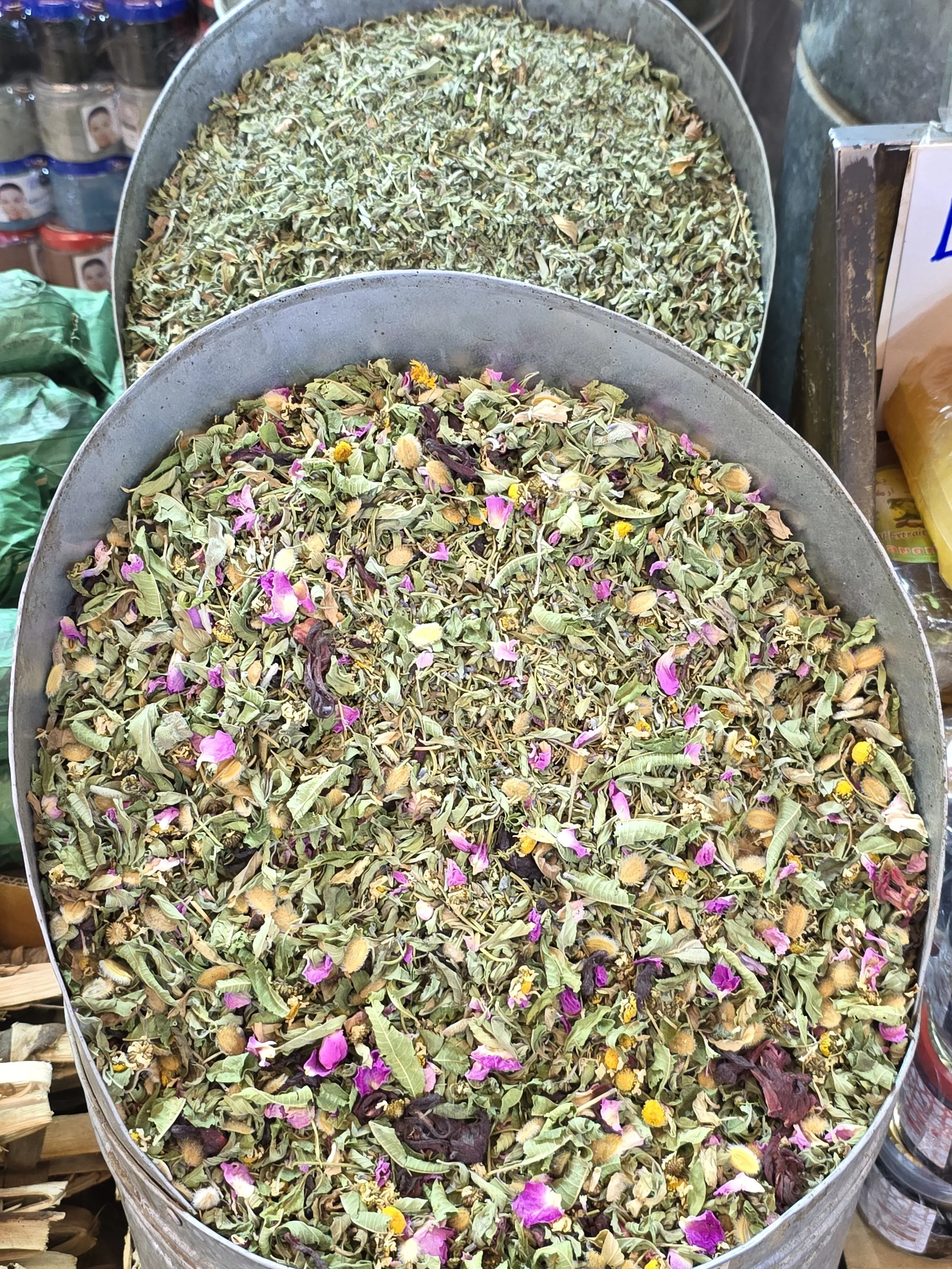
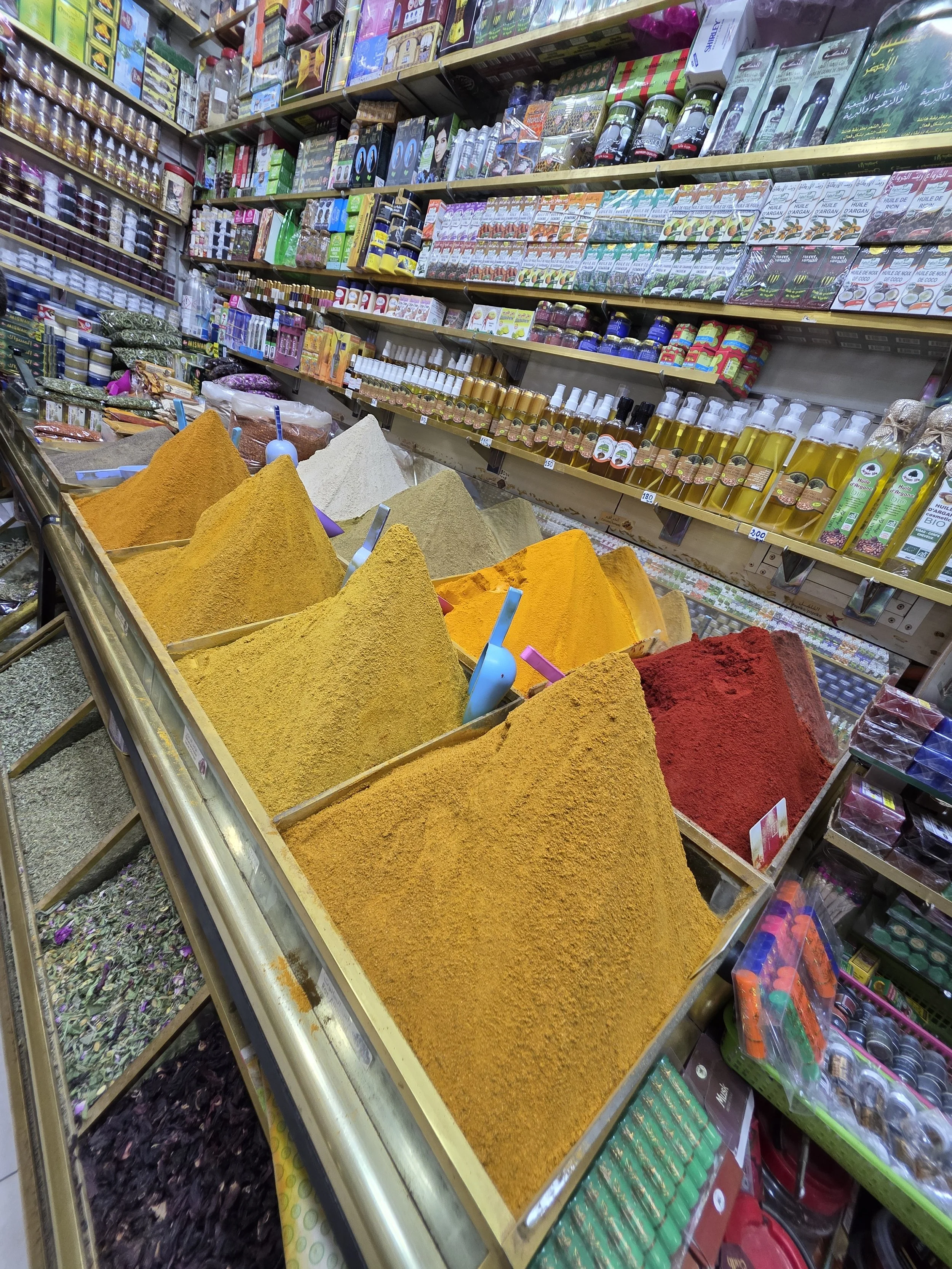
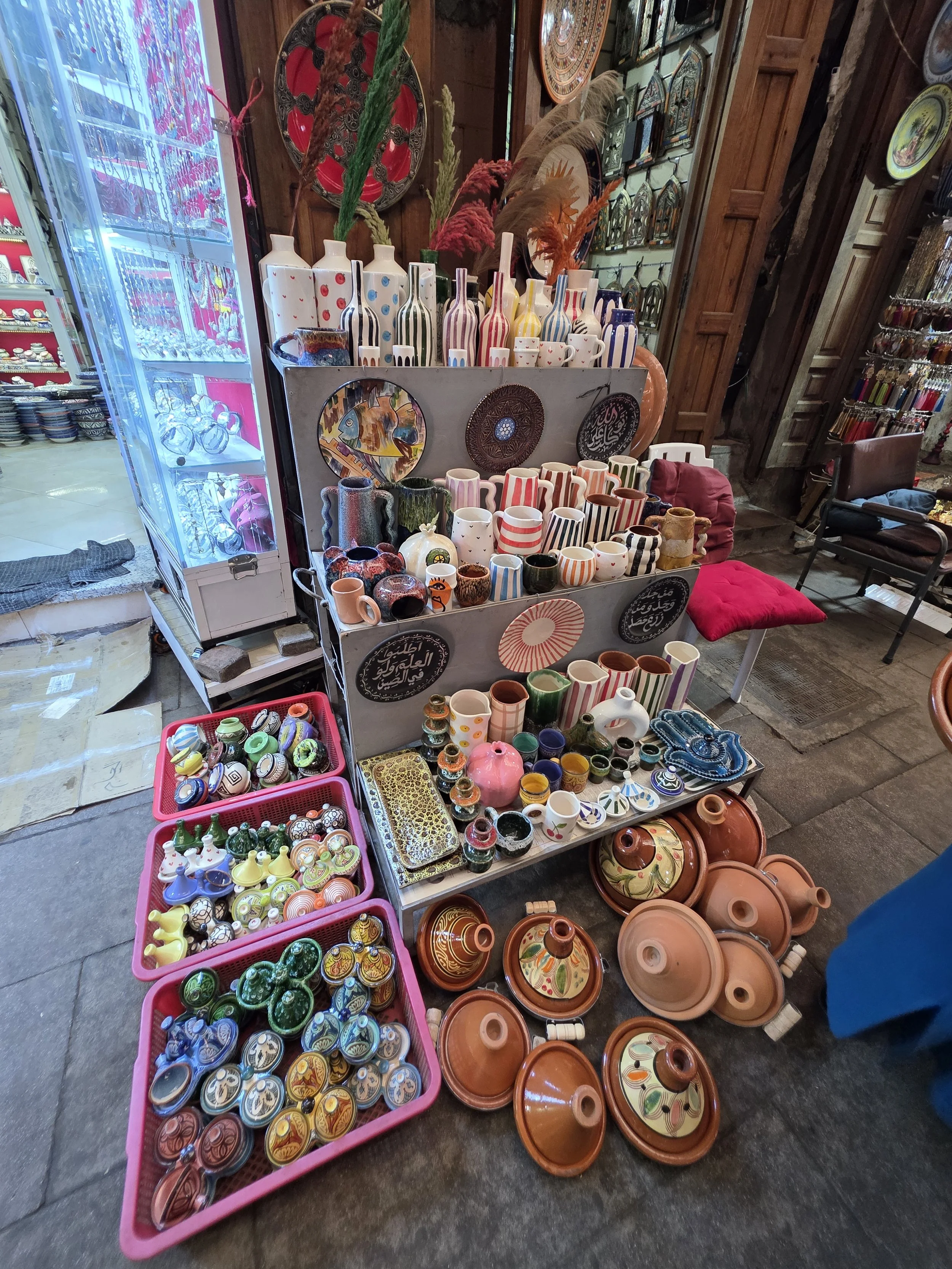
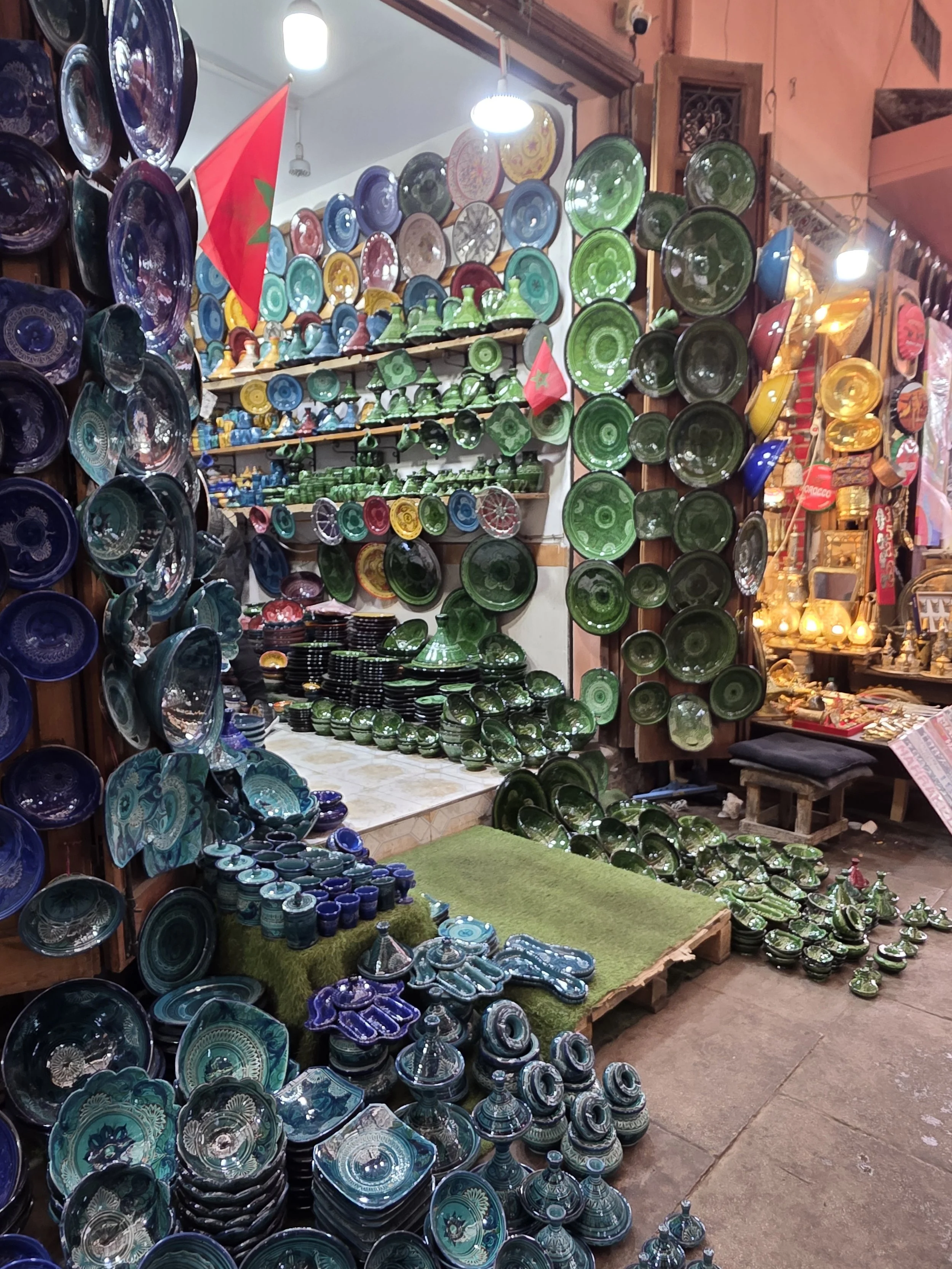
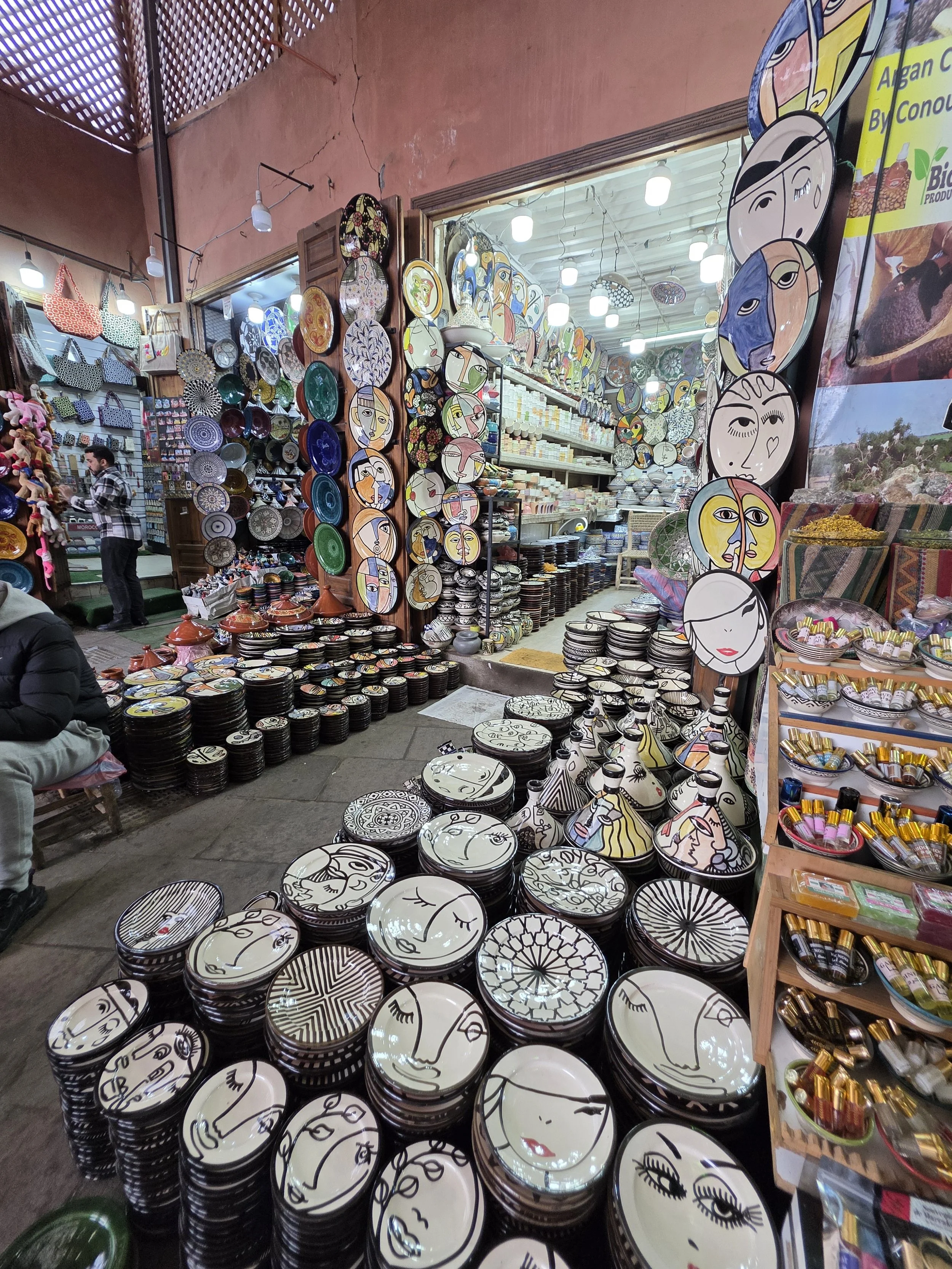
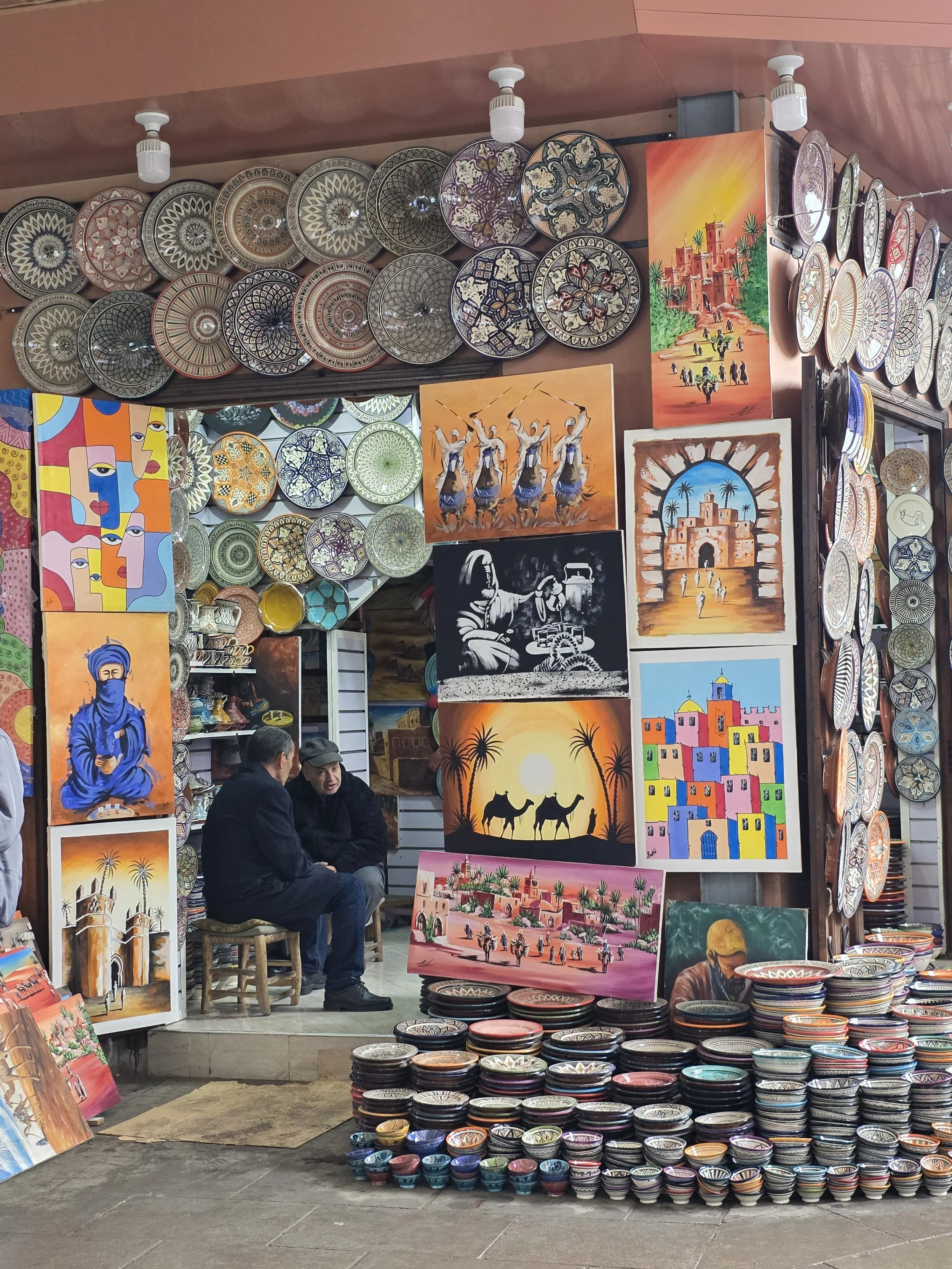
Bartering in Marrakech isn’t optional; it’s theatre. Shopkeepers grin, joke, flatter you, dramatically pretend to be offended by your offer, then counter with something equally outrageous. It’s not hostile — it’s playful, performative, and relentless. Everyone’s trying to sell you something, but they’re doing it with humour and charm. You lose track of time. You lose track of direction. You lose track of your original purpose. This is normal.
The Main Square: Surrender to It
Then there’s Jemaa el-Fnaa, the main square of Marrakesh/Marrakech, which feels less like a place and more like a living organism. By day it simmers; by night it detonates. Drums, smoke from food stalls, snake charmers, storytellers, shouting, laughing, movement in every direction.
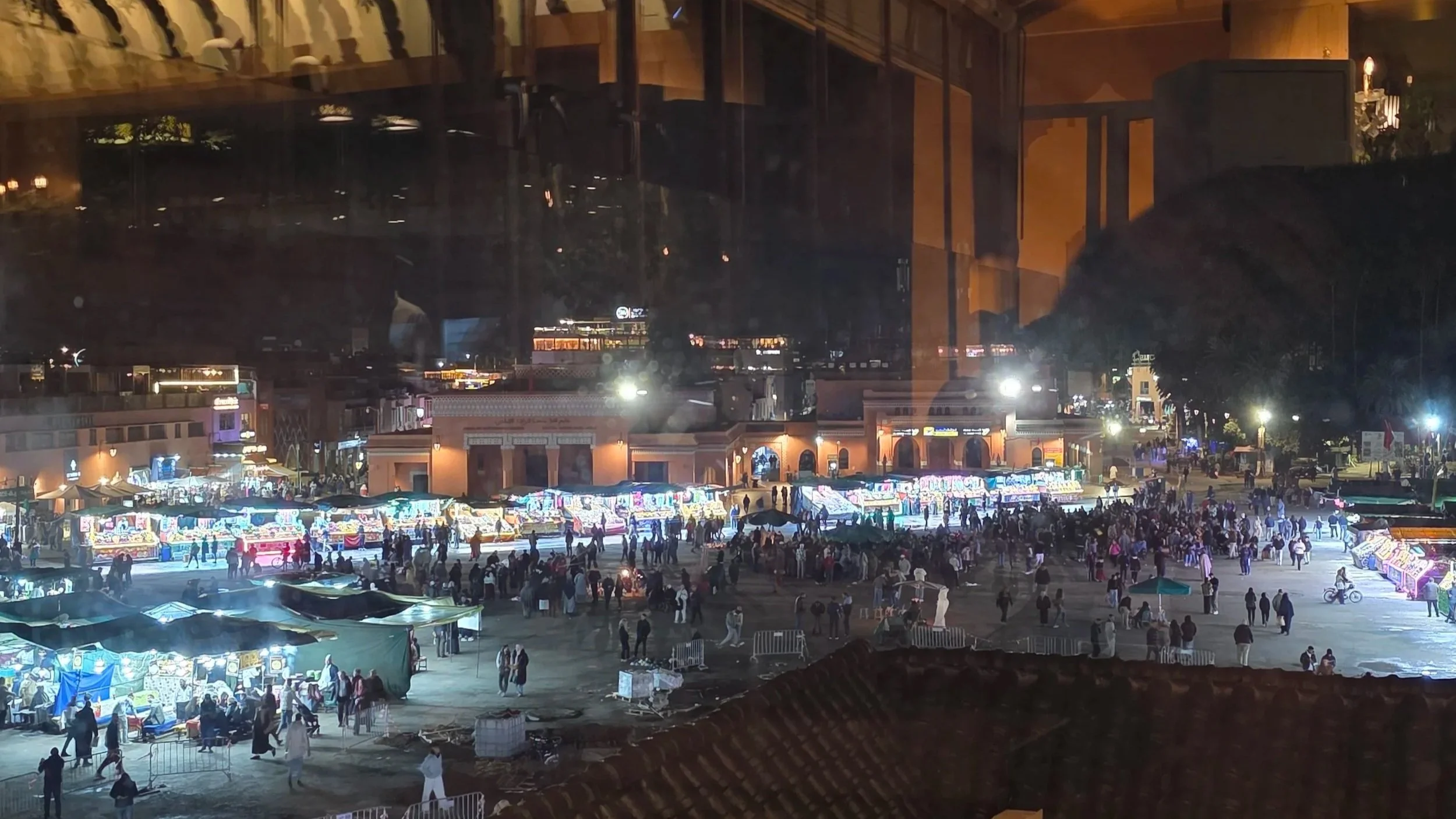
The trick is not to fight it. Sit down. Order something questionable. Embrace the noise, the colour, the chaos. Marrakesh doesn’t want you calm — Marrakech wants you awake.
History That Still Breathes
Among all this madness, the history of Marrakesh stands firm. Ancient palaces, mosques, and riads are beautifully maintained, with constant renovation humming quietly in the background. This isn’t a museum city — it’s lived-in history. The past isn’t cordoned off; it’s part of the daily routine in Marrakech.
People: Warm, Sharp, Human
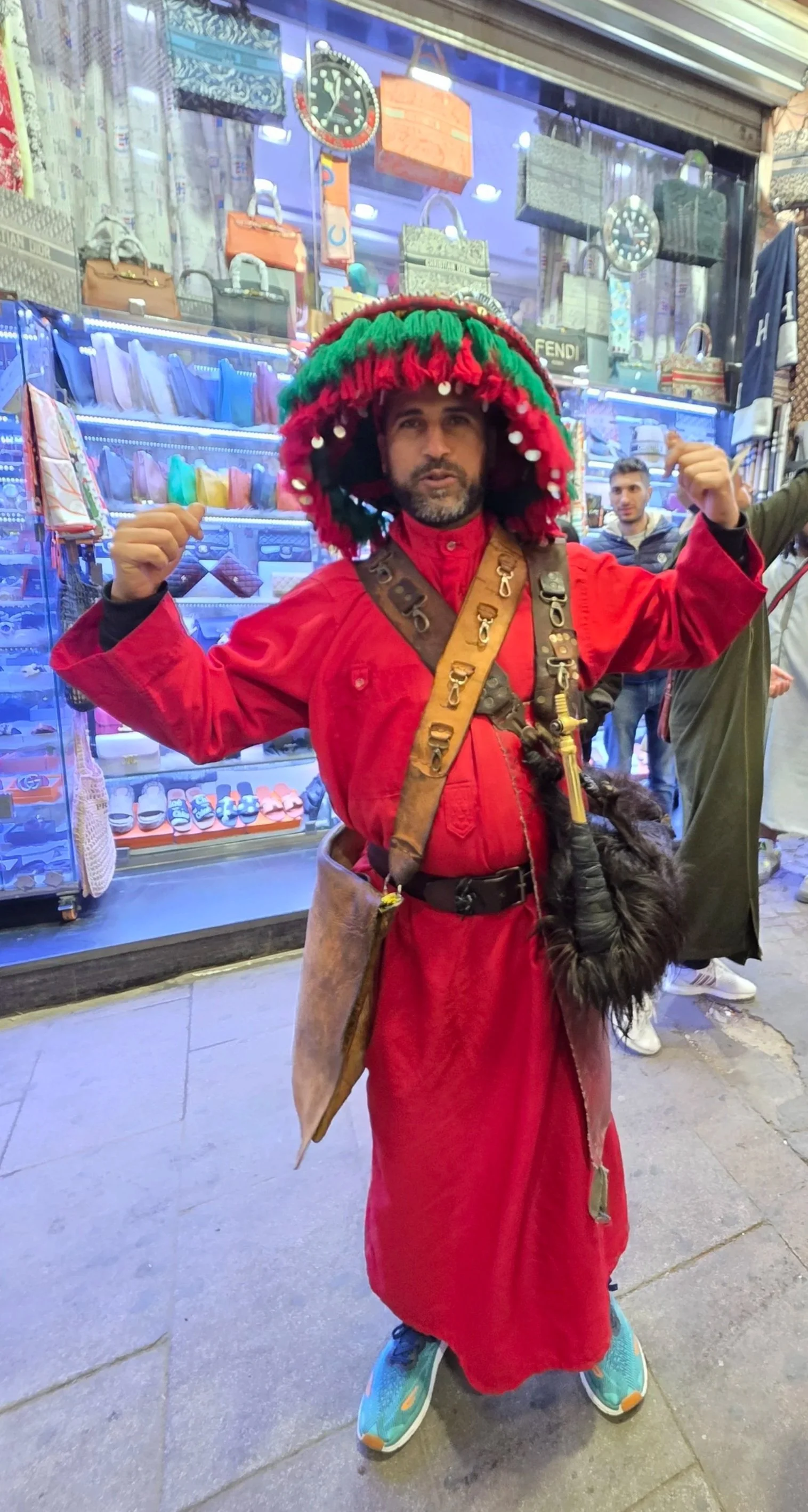
The people of Marrakesh are generally friendly, especially those in hotels and tourist spaces, who will bend over backwards to help you. Shopkeepers and stall owners in Marrakech are sharp, witty, endlessly persuasive, and always selling — but rarely hostile. There’s humour in it, a shared understanding that this is all part of the dance.
The Other Side
Not everything is postcard-perfect in Marrakesh. Waste is an issue, particularly outside the main tourist areas and in rural stretches around Marrakech. Piles of plastic and debris sit in stark contrast to the beauty of the landscape, a reminder that the city, for all its magic, carries modern problems just beneath the surface.
Final Thought
Marrakesh doesn’t care if you’re comfortable. Marrakech doesn’t care if you’re certain. It cares if you’re paying attention. It overwhelms you, confuses you, feeds you well, scares you slightly, and then wins you over while you’re not looking.
You don’t visit Marrakesh — or Marrakech — to relax.
You visit it to feel something.